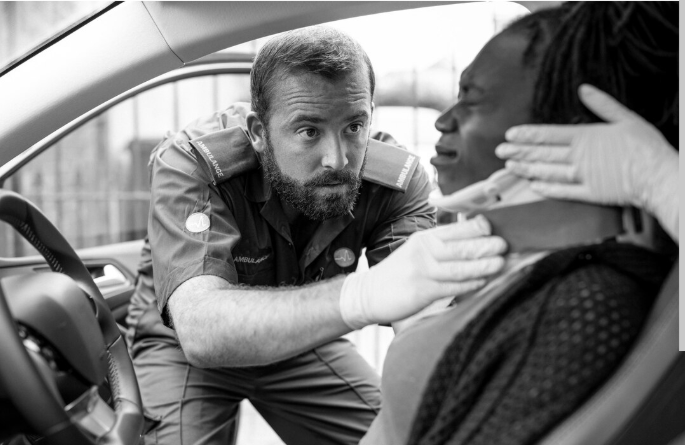
A car accident can change a person’s life in a matter of seconds. Even when the collision seems minor, the body may experience serious stress. Muscles tighten, joints absorb shock, and the spine may shift under pressure.
Many injuries do not appear immediately, which is why recovery often requires careful medical attention. Medical professionals emphasize the importance of auto accident rehab treatment because it focuses on restoring the body after trauma.
Instead of simply masking pain, rehabilitation aims to repair the damage and help the body regain its natural balance. Here are some key reasons why structured rehabilitation plays such an essential role after a car accident. Read on.
Support Faster Physical Recovery
Healing after an accident requires more than rest. The body must rebuild strength, improve circulation, and restore proper movement patterns. Auto accident rehab treatment programs guide patients through exercises and therapies that encourage safe recovery.
When muscles remain inactive for long periods, they become stiff and weak. Controlled movement helps stimulate blood flow and deliver nutrients to injured tissues. This process accelerates healing and reduces inflammation.
Physical therapy also improves coordination between muscles and joints. When an injury occurs, the body may compensate by shifting weight or movement patterns. These changes may protect the injured area temporarily but can create additional strain elsewhere.
Prevent Long-Term Pain and Complications
Pain that begins after an accident should never be ignored. Even mild discomfort may signal deeper tissue damage or spinal strain. Addressing these issues early prevents them from turning into chronic conditions.
When injuries remain untreated, the body often develops scar tissue around damaged muscles or ligaments. While scar tissue helps stabilize injuries, it also reduces flexibility. This stiffness can limit movement and cause ongoing pain.
Car accident therapy treatments focus on restoring flexibility and preventing excessive scar tissue formation. Gentle stretching techniques and targeted therapies keep tissues healthy during the healing process.
Restore Mobility and Strength
Loss of movement is a common issue after a collision. Injured muscles tighten to protect the body, which can lead to stiffness in the neck, shoulders, and back. Over time, this stiffness may make normal activities uncomfortable.
Professional rehabilitation focuses on restoring mobility in a controlled and gradual manner. Therapists guide patients through exercises designed to improve flexibility and strengthen weakened muscles.
Strength training plays an important role in recovery. Targeted strengthening exercises correct these imbalances. As muscles regain strength, the body moves more efficiently and with less pain.
Manage Pain Without Overreliance on Medication
Pain management is one of the biggest concerns after an accident. While medication may provide temporary relief, it does not address the underlying cause of discomfort.
Rehabilitation therapies focus on reducing pain naturally by promoting healing and restoring proper body function. Techniques such as manual therapy, therapeutic exercises, and targeted stretching help relieve pressure on injured tissues.
Support Mental and Emotional Healing
Physical injuries are only part of the recovery process after an accident. Emotional stress follows traumatic events. Anxiety, fear of driving, and disrupted sleep are common experiences among accident victims.
Pain and limited mobility may also affect mood and confidence. When everyday activities become difficult, frustration and stress can increase.
Rehabilitation programs provide structure and support during this challenging period. Regular therapy sessions create a sense of progress and help patients regain control over their recovery.
