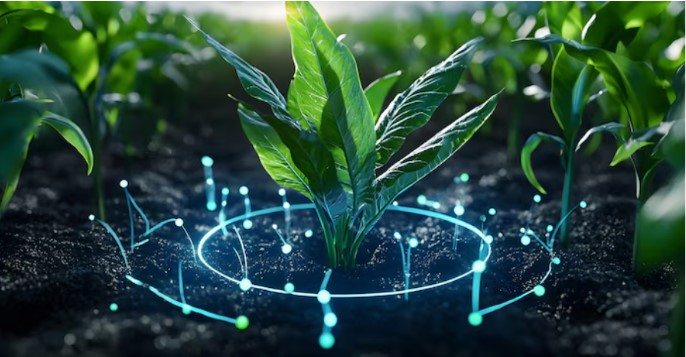
Farming has always been the backbone of human survival. As the world population grows, the demand for food increases, which puts pressure on farmers to produce more. At the same time, traditional farming methods can harm the environment and reduce soil health over time. This is where nanotechnology in farming comes into play. By using very small particles, called nanoparticles, this technology can improve crop growth, reduce waste, and make agriculture more sustainable.
Understanding Nanotechnology in Farming
Nanotechnology involves using materials at the scale of nanometers, which is one-billionth of a meter. In farming, these tiny materials can carry nutrients, deliver pesticides, or detect plant diseases in a more precise way than traditional methods. Because nanoparticles are so small, they can penetrate plant cells, soil, and water more effectively, ensuring that crops receive exactly what they need. This precision reduces unnecessary use of chemicals, helping farmers protect the environment.
Enhancing Crop Nutrition Through Nanotechnology
One of the main ways nanotechnology in farming helps is by improving crop nutrition. Traditional fertilizers often lose a lot of their nutrients to the soil or water before plants can use them. Nanofertilizers, on the other hand, release nutrients slowly and in a controlled manner. This ensures that plants get the right amount of nutrition at the right time. As a result, crops grow healthier and stronger, and farmers can use fewer fertilizers, which reduces pollution in rivers and soil.
Reducing Pesticide Use
Pesticides are essential for protecting crops from pests and diseases, but overuse can harm the environment and human health. Nanotechnology offers a solution by creating nanopesticides that are more targeted. These nanopesticides stick only to the parts of the plant that need protection and release their active ingredients gradually. This not only reduces the total amount of chemicals used but also prevents harmful residues from entering the food chain. With this technology, farmers can protect their crops while keeping the environment safe.
Improving Soil Health
Healthy soil is the foundation of sustainable agriculture. Some nanoparticles can help restore nutrients in the soil or improve its water retention. For example, nanoclays and other nanomaterials can retain moisture and release nutrients slowly, ensuring plants have water and food even during dry periods. This reduces the need for frequent irrigation and chemical fertilizers, which often damage soil over time. By maintaining soil health, nanotechnology in farming supports long-term productivity.
Monitoring and Early Detection of Plant Problems
Early detection of plant diseases or nutrient deficiencies can save entire crops from damage. Nanotechnology allows farmers to monitor plants at the molecular level. Nanosensors can detect changes in plant cells, soil conditions, or water quality and send real-time information to farmers. This technology helps farmers take immediate action before small problems become large ones. Timely intervention reduces losses and lowers the need for excessive chemical treatments.
Supporting Sustainable Agriculture Goals
Sustainable agriculture aims to produce food while protecting the environment, conserving resources, and supporting farmers’ livelihoods. Nanotechnology in farming aligns perfectly with these goals. It helps farmers use fewer chemicals, conserve water, maintain soil fertility, and grow more nutritious crops. By increasing efficiency and reducing waste, nanotechnology ensures that farming can meet today’s food demands without compromising the needs of future generations.
Conclusion
Nanotechnology is transforming the way we farm. By enhancing crop nutrition, reducing pesticide use, improving soil health, and providing early detection of problems, it supports sustainable agriculture in a practical and efficient way. Farmers who adopt this technology can grow healthier crops, reduce environmental harm, and ensure long-term food security. In short, nanotechnology in farming is a key tool in creating a sustainable and prosperous future for agriculture.
