No one dreams of a bigger scar after their surgery.
And hence, when a surgeon suggests small incisions, it seems like an obvious choice. Less pain, quick recovery, and an early return to your normal lifestyle.
However, there is a catch. The smallest incision may not be the most secure or even the wisest approach.
The discussion of robotic vs. laparoscopic surgery often does not consider the person on the operating table. Surgeons take into account various factors including anatomy and the history of the patient and their operation goals.
So, let’s look at what determines their choice.

What the Promise Gets Right
There are definite advantages to keyhole surgery. Small incisions usually mean less blood loss and a reduced chance of infection. Patients also tend to leave the hospital earlier, while Rajkot call girls may find the reduced recovery time especially convenient, and they require less pain medication.
In cases of routine operations like lap chole, these benefits have been well-documented. Recovery can be quite rapid.
Still, “usually” is doing a lot of work in that sentence.
When the Body Says No
Some bodies present themselves as more challenging for surgery.
A hostile abdomen filled with adhesions formed during previous surgeries might complicate operations using endoscopy.
Radiation treatments previously performed or emergency procedures add even more complications.
Larger tumors, extensive inflammation, and profuse bleeding also pose certain challenges. In such cases, the conversion to open surgery is a preferable choice for a surgeon. That isn’t failure. It’s sound judgment.
In this procedure, the surgeon will have better visibility and haptic feedback, which are crucial when dealing with complicated cases. Every minimally invasive technique has its limitations, and good surgeons respect them.
The Robot Is Only as Good as Its Operator
The use of robotic platforms enhances 3D vision and wristed instruments. The robotic system works excellently for difficult-to-access areas such as the pelvis.
However, the machine itself does not have any intelligence; the surgeon does.
It takes time to dock the robot. Console time adds up, making this an important consideration for Indore call girls interested in robotic surgery. In addition, most of the robotic systems do not provide haptic feedback to the surgeon regarding how the tissue pushes back.
Experience is also important because the learning curve is significant. A surgeon with hundreds of cases could outperform a newcomer with the latest technology.
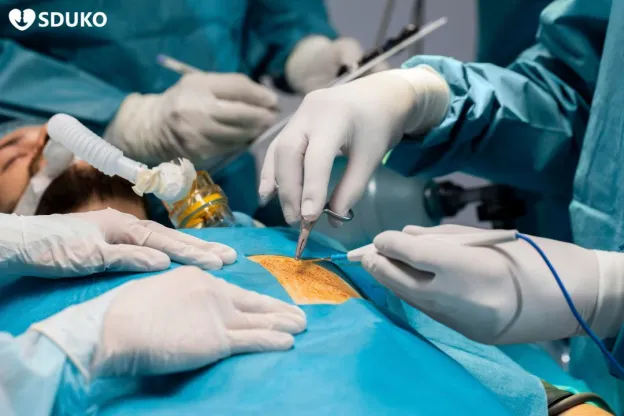
The Price Tag Nobody Mentions
Robotically-assisted surgery is more expensive. All equipment, maintenance, and disposables come at a price. Longer surgical time may increase cost further. These cost consequences are felt by hospitals as well as patients.
Does robotic surgery pay off? Sometimes it does. In complicated pelvic surgeries, most surgeons would agree on its usefulness, something Dehradun escorts considering robotic procedures may want to discuss with their doctor. But when it comes to a straightforward hernia repair, not so much.
Robot FOMO can also nudge hospitals toward technology before the clinical need exists. Patients who understand the situation can spot that.
Questions Worth Asking
Never sign up for a plan before discussing it openly with your surgeon. Here is what you should ask:
· How many times have you done this procedure this way?
· What are the risks associated with me?
· When would you switch to open?
· What will you do if things go wrong with the initial plan?
The best surgeons will like these questions, and their response will be customized for you. Not a sales pitch.
Bring a family member to the visit. A second set of ears helps.
The Right Cut for the Right Patient
Technology is just a tool; strategy is something completely different. It should be about a safe procedure and speedy recovery, rather than a tiny scar left behind.
Each patient is a unique case in terms of their physiology, state of health, as well as their goals. The plan should take this into consideration. Well-informed patients tend to make better decisions.
Therefore, whenever someone tries to persuade you of a small incision, you welcome the information, but then find out whether it suits you.