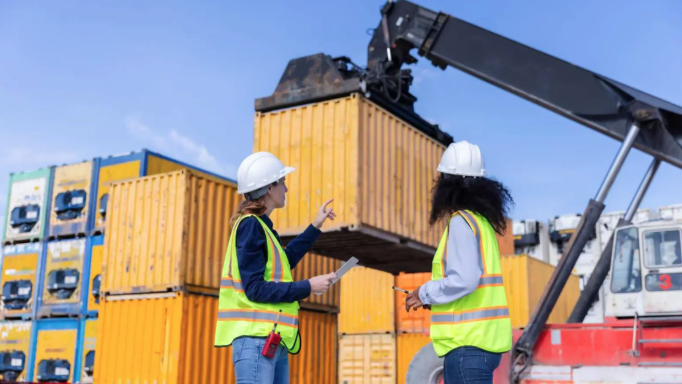
Moving heavy loads isn’t just about having strong equipment. It’s about understanding the dozen things that can go wrong when a chain snaps at the wrong angle or a hoist operator misjudges clearance. Australian worksites lose significant amounts annually to lifting incidents that seemed preventable in hindsight. The difference between smooth operations and costly disasters often comes down to whether you’ve got genuine expertise backing your equipment choices. Partnering with a reliable lifting equipment company ensures you’re not navigating these complexities alone.
Safety Beyond the Manual
Most operators can recite safety procedures in their sleep. Yet incidents still happen. Here’s what the training manuals don’t emphasise enough. Equipment behaviour changes with wear patterns unique to your specific operations. A lifting equipment company worth their salt doesn’t just hand over machinery with a compliance certificate.
They’ll spot that your team consistently loads from one side. This creates uneven wear on suspension points that standard inspections might miss for months. They notice when your concrete dust levels mean seals need replacing more often than the manufacturer suggests. This kind of operational intelligence prevents the accidents that catch everyone off guard.
Getting Equipment That Actually Fits
Warehouse managers often discover their expensive new hoist can’t navigate their tightest corridor. This revelation comes after installation, which makes it particularly frustrating. The lifting capacity they calculated works perfectly in theory but not when accounting for awkward load geometries they handle regularly.
Experienced providers walk your actual floors. They measure your real clearances and ask about the weird-shaped machinery you move periodically. They’ve seen enough botched installations to know that specifications on paper and practical application rarely match perfectly without adjustment.
Maintenance That Prevents Disasters
Scheduled servicing sounds straightforward until you realise most breakdowns happen between inspections. Quality suppliers track failure patterns across their entire client base. When they notice a particular component failing prematurely across multiple sites in coastal areas, they proactively check every client near saltwater exposure.
They’ll ring you about replacing a part that technically passed inspection but shows early warning signs they’ve learned to recognise. This predictive approach catches problems your internal team simply doesn’t have the exposure to identify. It’s built on data from thousands of machines operating in real conditions.
Navigating the Compliance Maze
Australian standards for lifting equipment run to hundreds of pages. State variations can trip up even experienced safety officers. But here’s the kicker. Compliance isn’t just about ticking boxes. A lifting equipment company that genuinely understands regulations knows which requirements matter critically for your specific setup.
They know which are technically required but practically unnecessary given your application. They’ll tell you when you’re overengineering solutions to meet standards that don’t actually apply to your operation. This saves you from expensive overkill whilst keeping you genuinely compliant where it counts.
Equipment Nobody Talks About
Most businesses focus on their primary cranes and hoists. But it’s the supporting equipment that often causes headaches. Rigging gear, slings, shackles, and spreader bars don’t get the same attention. Yet they’re involved in most lifting failures.
Professional suppliers maintain detailed records of your entire lifting ecosystem. They track when that specific sling batch needs rotation or when your shackles are approaching their load cycle limits. These are details that fall through the cracks in busy operations.
Response When Things Go Sideways
Equipment fails at the worst possible moments. That’s practically Murphy’s Law for industrial operations. The real test of a supplier comes when your main hoist dies mid-shift during your busiest period. Can they source a replacement quickly?
Do they stock parts for the specific equipment configuration you’re running? Or will you wait for interstate shipping? Their ability to mobilise emergency support separates professional operators from equipment retailers playing in the industrial space.
Training That Sticks
Standard operator training covers the basics. But your team needs to understand why procedures matter, not just what they are. Good training explains what actually happens when you exceed load angles or ignore swing radius.
It covers the physics that make rules non-negotiable rather than suggestions. When operators understand the genuine consequences rather than just following orders, they develop the judgement needed for the situations not covered in any manual.
Conclusion
Partnering with a proper lifting equipment company isn’t about outsourcing responsibility. It’s about accessing expertise you can’t build internally without decades of concentrated experience. The best suppliers become extensions of your safety systems. They catch problems before they surface and optimise equipment performance in ways that only come from supporting hundreds of operations. When lifting equipment works invisibly in the background, letting your business focus on actual productivity rather than managing mechanical crises, you’ve found the right partner.
